Supi

Platform

One stack for twins, maintenance, and optimization.

Sensor data, physics-backed models, and MLOps in one place — built for plants and grids, not consumer dashboards bolted onto SCADA.

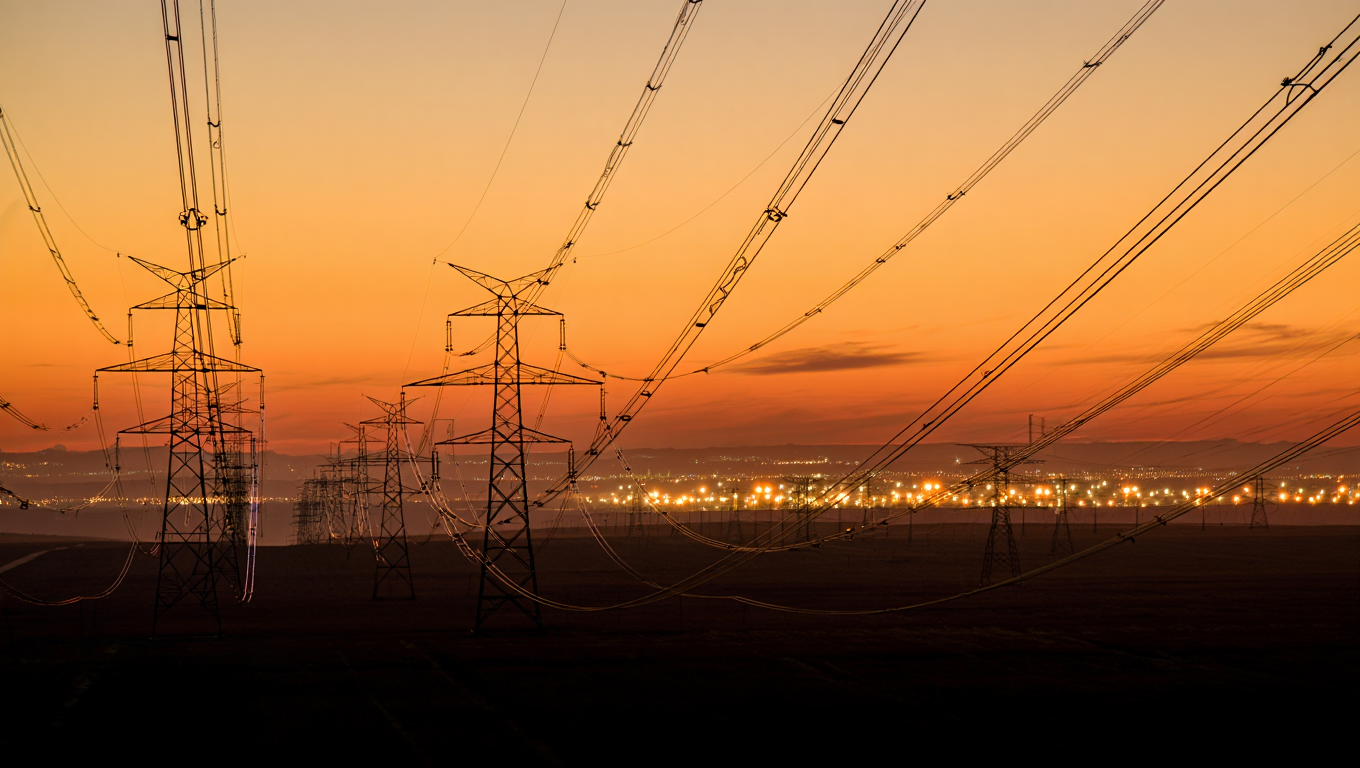
Aerial view of electrical transmission grid

Why Supi

Built for plants, rigs, and grids — not pitch decks.

Generic AI rarely survives your first winter turnaround. Supi is scoped for operational data: historians, tags, and constraints your engineers already respect.

It layers on what you run today, targets weeks-to-first-value, and is monitored so models do not quietly rot after go-live.

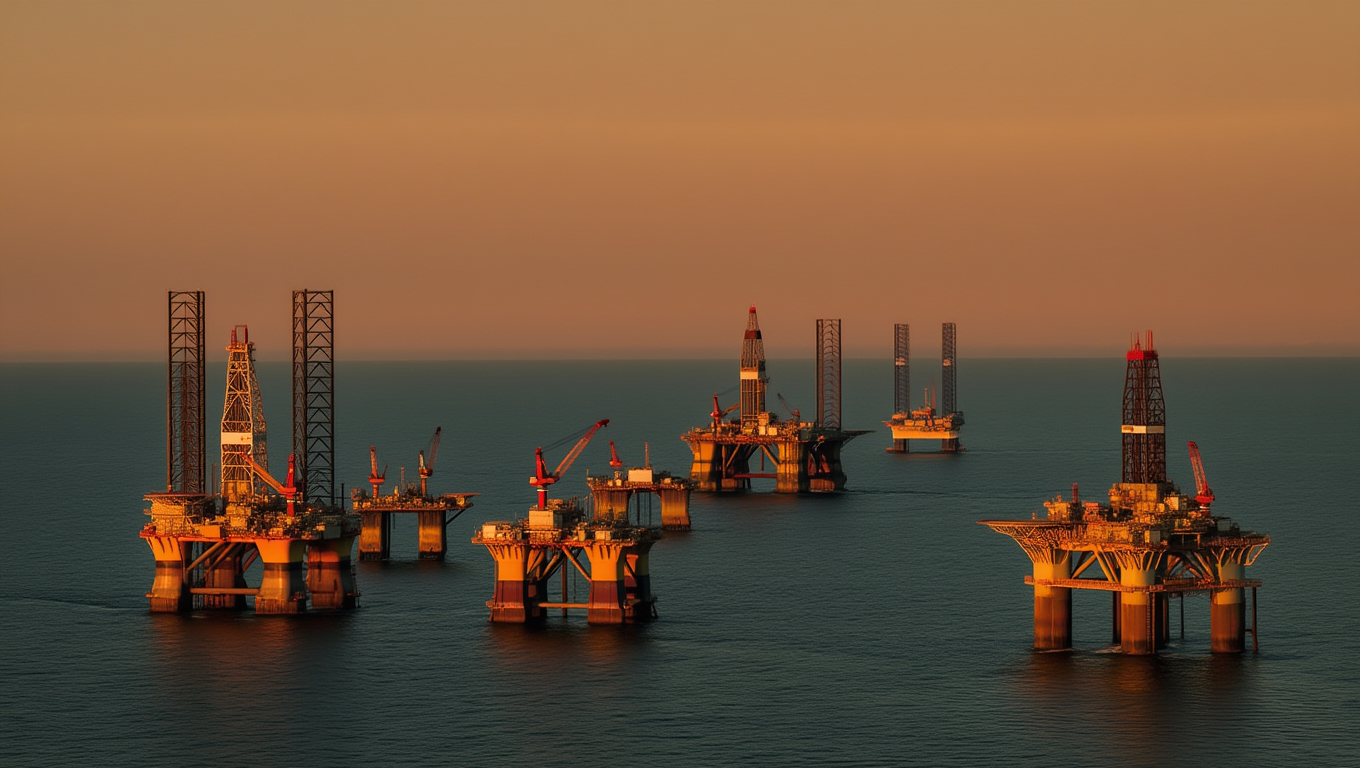
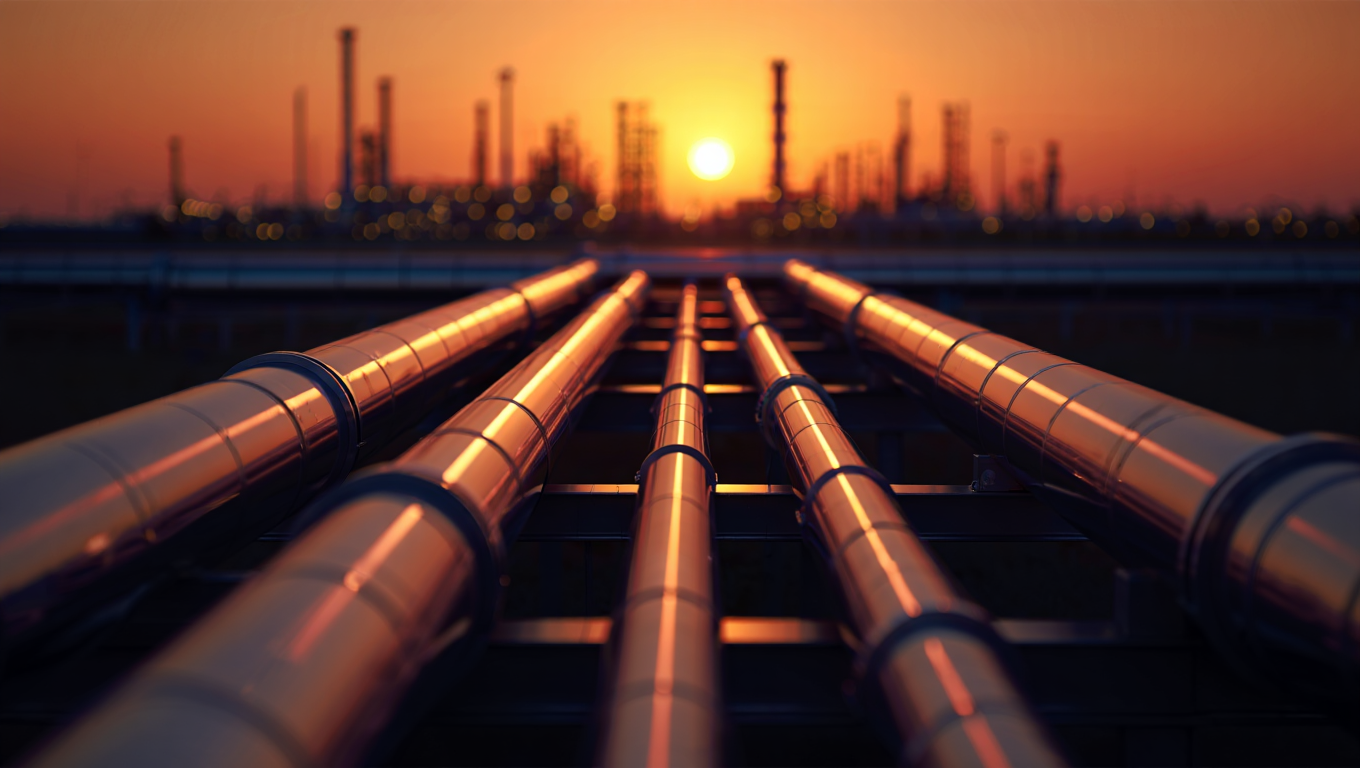
Pipeline and processing facility infrastructure

Core capabilities

Eight capabilities. One platform.

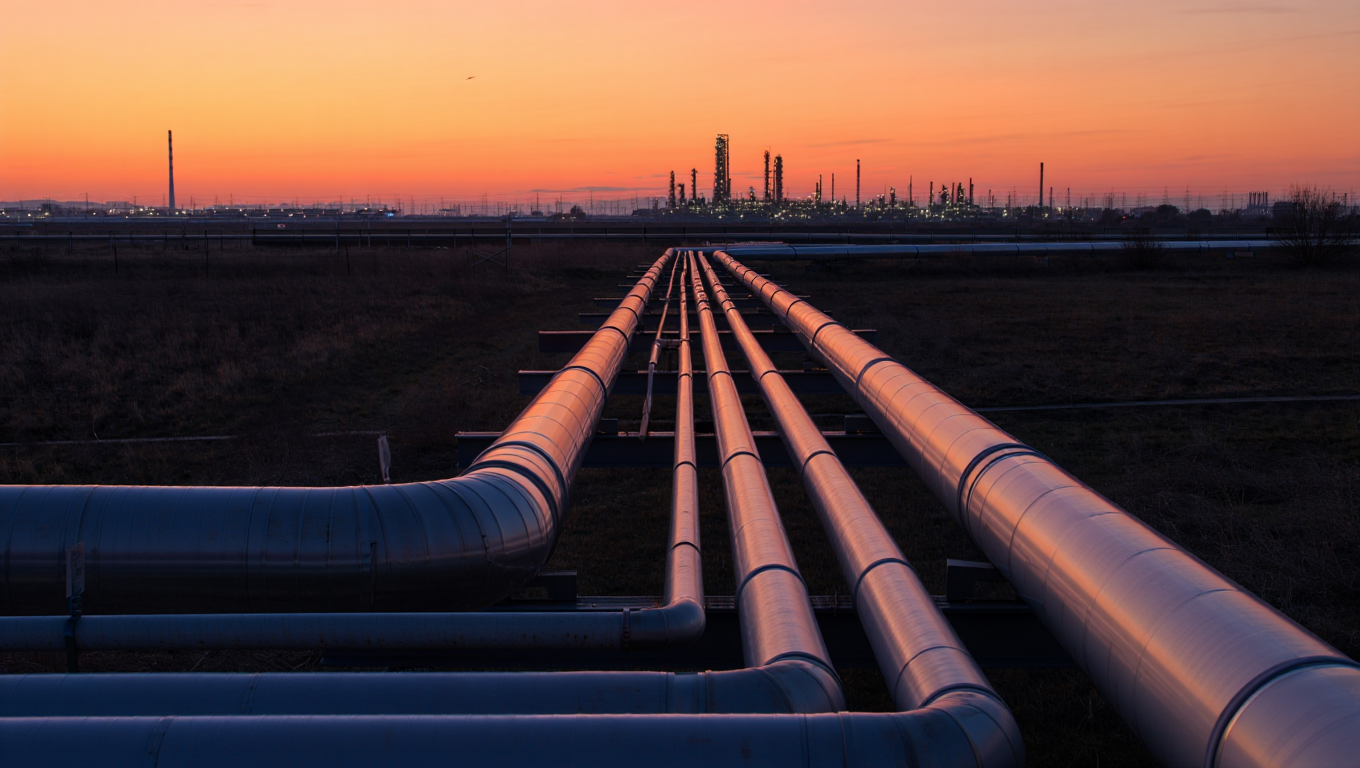
Industrial pipeline infrastructure at dusk

01

Predictive maintenance & RBI

Fuses tags, trips, and history to rank assets by failure likelihood and criticality — not every line on the PM calendar.

Why it matters
Blanket rounds burn hours on low-risk kit while the real degradation sits elsewhere.
The shift
Calendar rounds → risk-ranked worklists and fewer surprise trips.
Pipeline and processing facility infrastructure

02

Physics-based digital twins

Live twins for lines, machines, and balance-of-plant with stress and wear informed by how you actually run.

Why it matters
Pure black-box models drift when duty cycles change; physics keeps behaviour explainable.
The shift
Static drawings → continuous state your control room can trust.
Aerial view of electrical transmission grid

03

Real-time anomaly detection

Streaming checks on vibration, temperature, pressure, and flow — surfaced when the pattern breaks, not in tomorrow’s CSV.

Why it matters
Hours matter in rotating and high-energy plant; early signal buys intervention time.
The shift
Batch thresholds → immediate, contextual alerts.
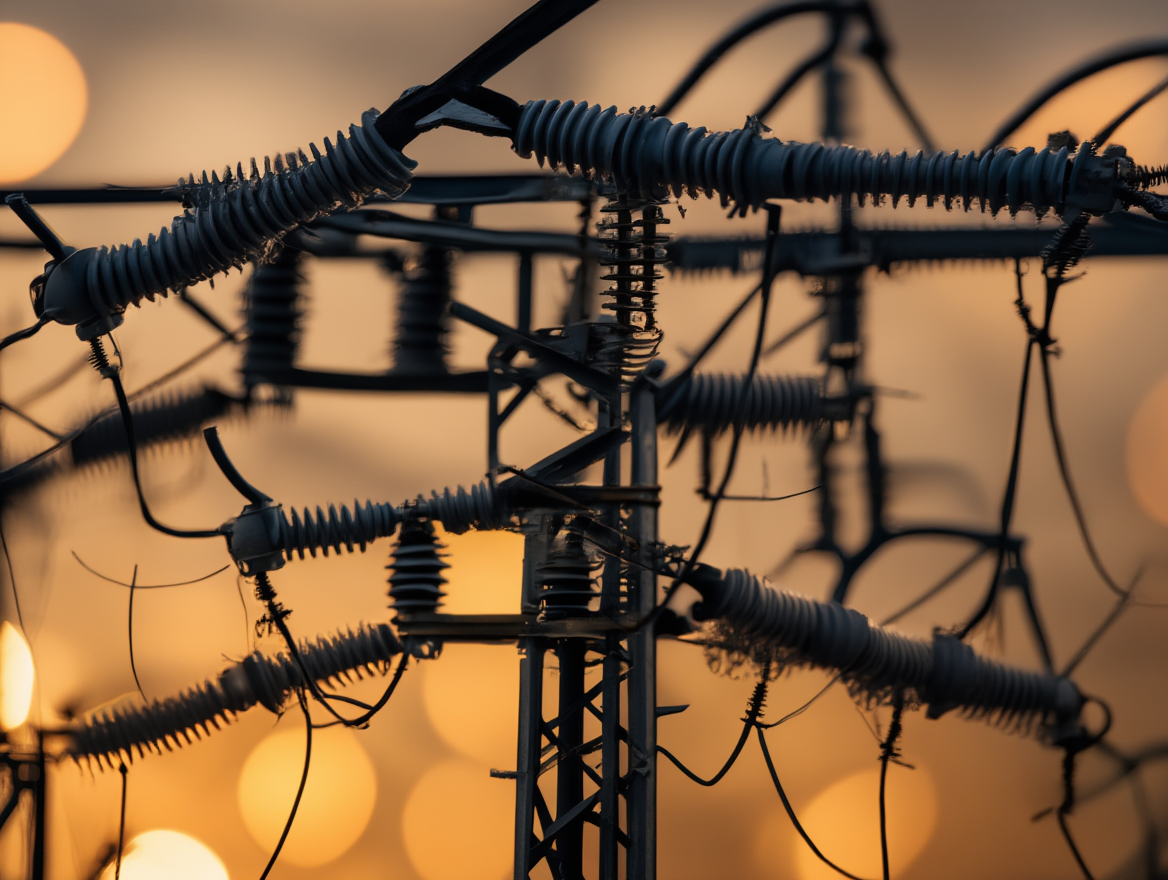
High-voltage transmission tower and power lines

04

Process optimization

Hybrid models suggest setpoints and timing as conditions move, with traceability for QA and audits.

Why it matters
Small yield gains compound across thousands of batches or tonnes.
The shift
Tribal tuning → repeatable, logged adjustments.
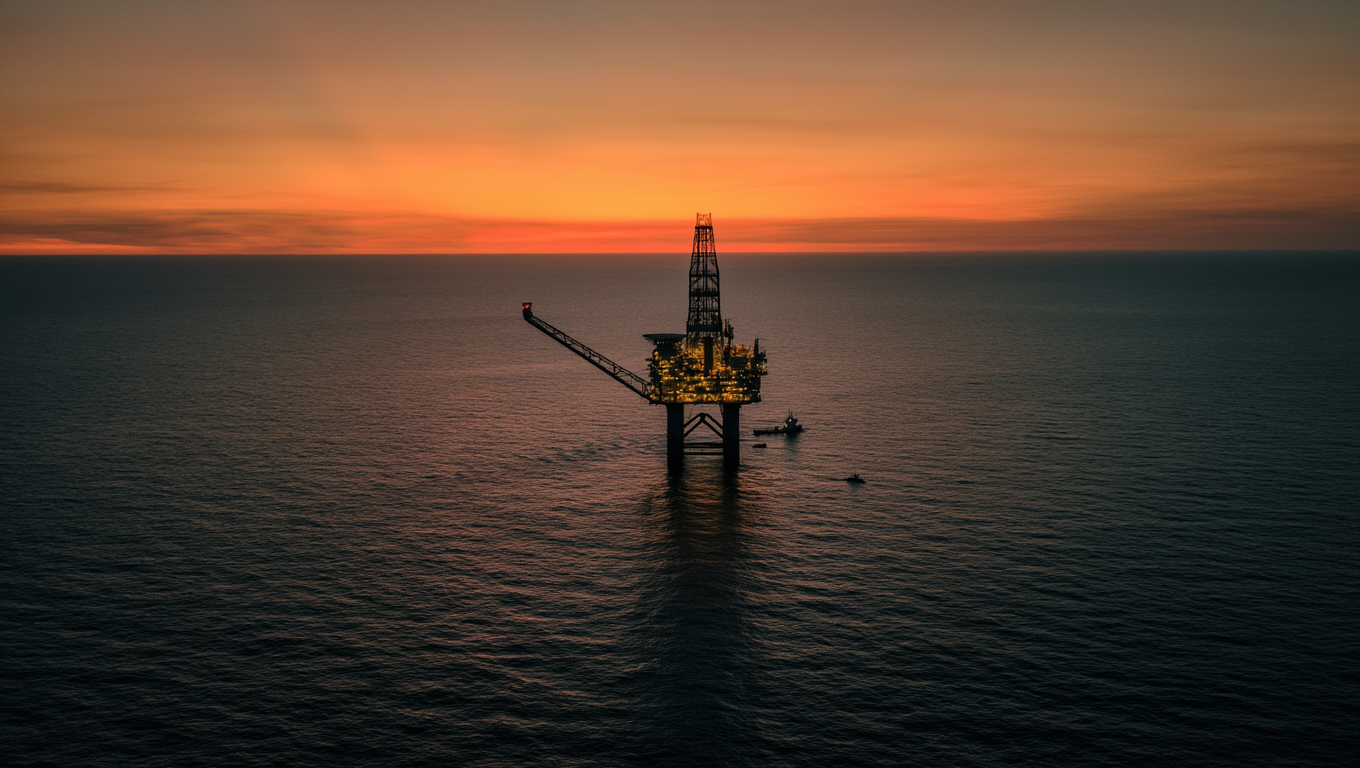
Offshore oil rig at dusk

05

MLOps

Training, deploy, monitor, retrain — so production accuracy is owned, not wished for after the pilot photo.

Why it matters
Most industrial ML dies from drift and neglect, not bad math.
The shift
Hand-rolled scripts → pipelines that stay current.
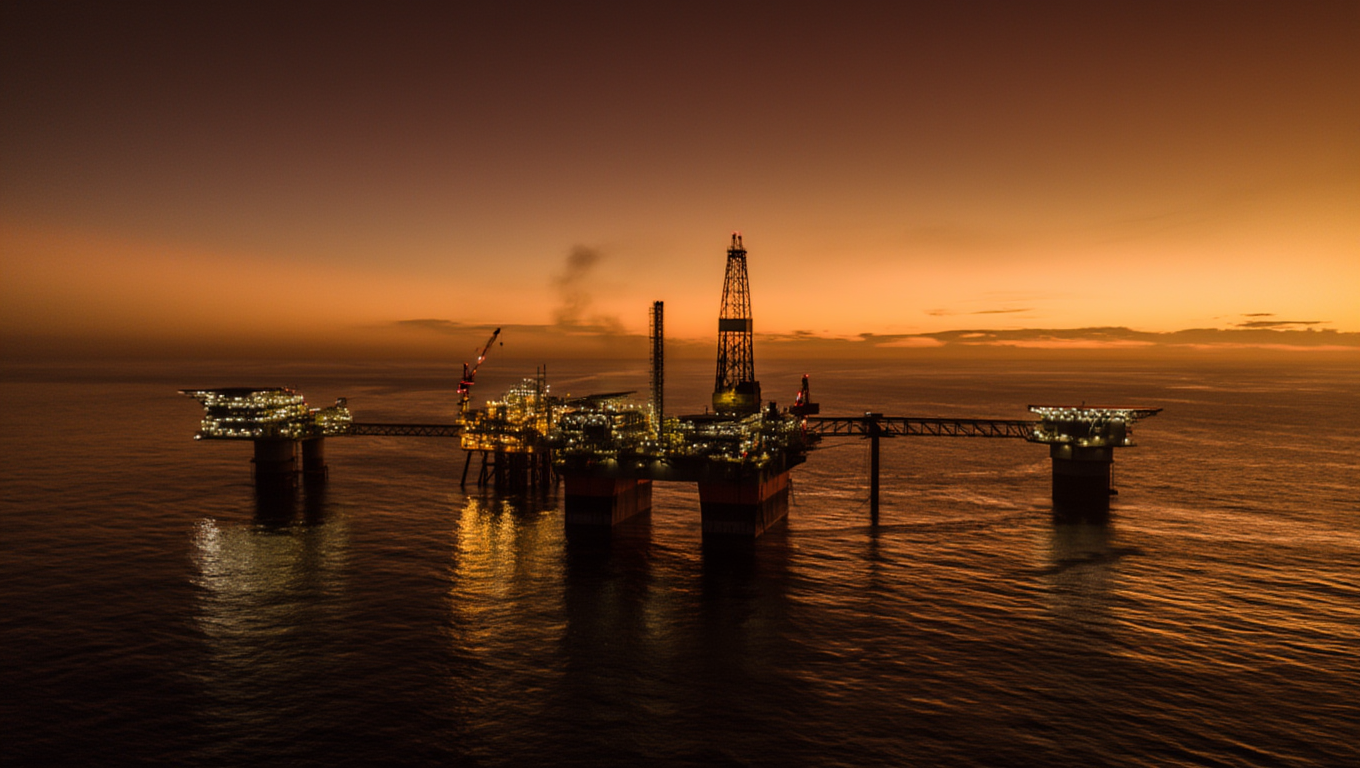
Oil and gas production facility at twilight

06

Sustainability analytics

Energy, emissions, and waste tracked from the same operational stream; reporting aligned to frameworks you already file under.

Why it matters
Manual quarterly reconciles steal engineering time and invite errors.
The shift
Spreadsheet fire drills → continuous, exportable views.
Aerial view of offshore drilling operations

07

Integrations

SCADA, DCS, historians, LIMS, ERP via APIs, OPC-UA, MQTT — cloud or on-prem.

Why it matters
Nobody replaces a fifteen-year SCADA for a slide deck; the value is in the overlay.
The shift
Siloed exports → one operational picture from day one.
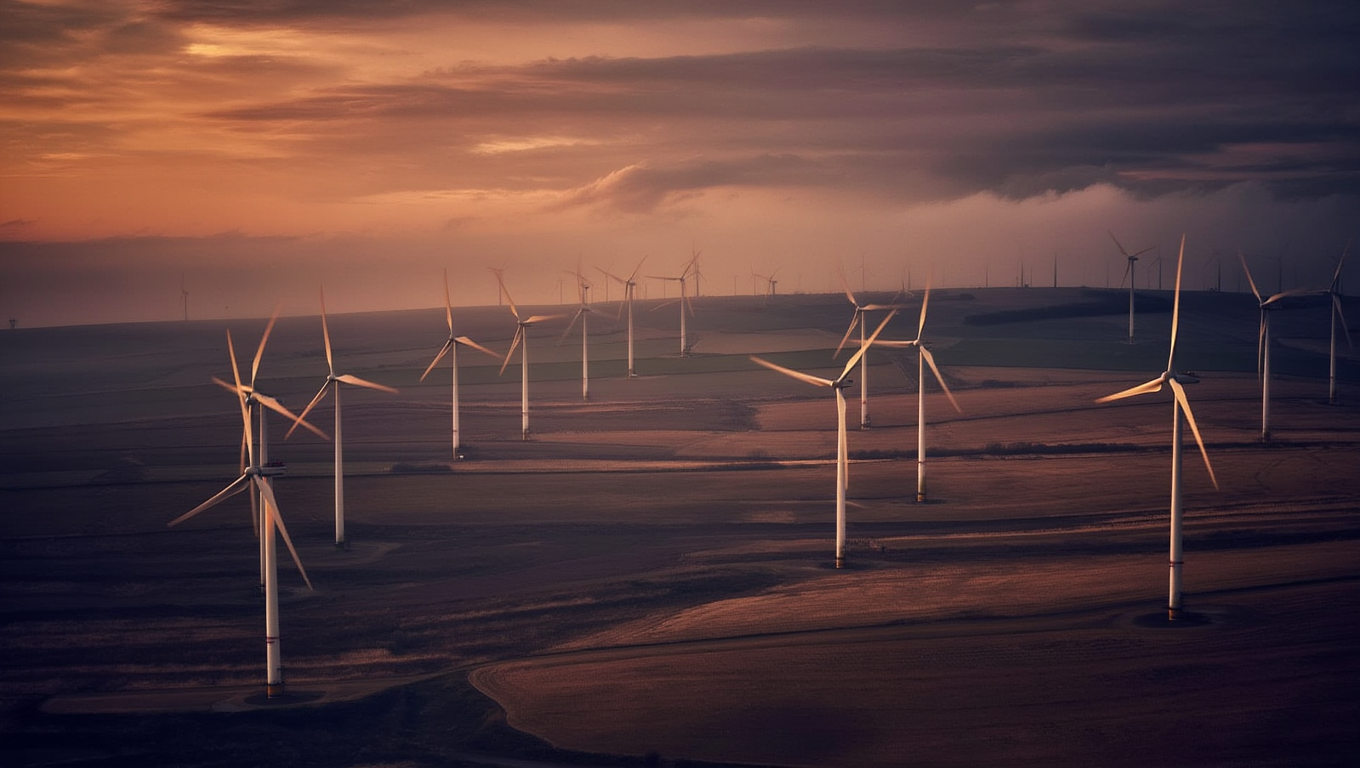
Wind turbines on rolling terrain

08

Federated learning

Improve models across sites without centralizing raw process data — each plant keeps its data local.

Why it matters
Regulated and security-sensitive environments still need shared learning.
The shift
“We can’t pool data” → collaborative training with local custody.
High-voltage transmission tower and power lines

Integrated by design

Not eight separate tools. One platform.

Capabilities share data and models so you are not stitching vendors after every workshop.

  1. Shared state

    Twins feed maintenance and anomaly logic from the same model layer.

  2. Shared models

    Optimization and sustainability read the same tags, same physics.

  3. Owned ops

    MLOps keeps deployments current without a separate “AI team” project.

Honest comparison

What makes Supi different.

DimensionSupiTypical industrial AI vendor
Deployment timeWeeksMonths to quarters
Post-pilot survivalMLOps keeps models accurate in productionMost projects stall after the pilot
Inspection approachData-driven, risk-based prioritizationCalendar-based or basic thresholds
Model foundationPhysics + ML hybridData-only — breaks when conditions change
Multi-site learningFederated; no data centralizationRequires data pooling, or ignored entirely
Industry coverageOil & gas, pharma, chemicals, power, windUsually one vertical
Funding modelBootstrapped, execution-firstVC-funded, growth-at-all-costs

Next step

Walk through it on your assets — not ours.

Thirty minutes: data you already have, where a twin would sit, and what good looks like in the first ninety days.